Fire Safety Standards Explained EN 45545 & Global Compliance Guide Editorial
Editorial Summary
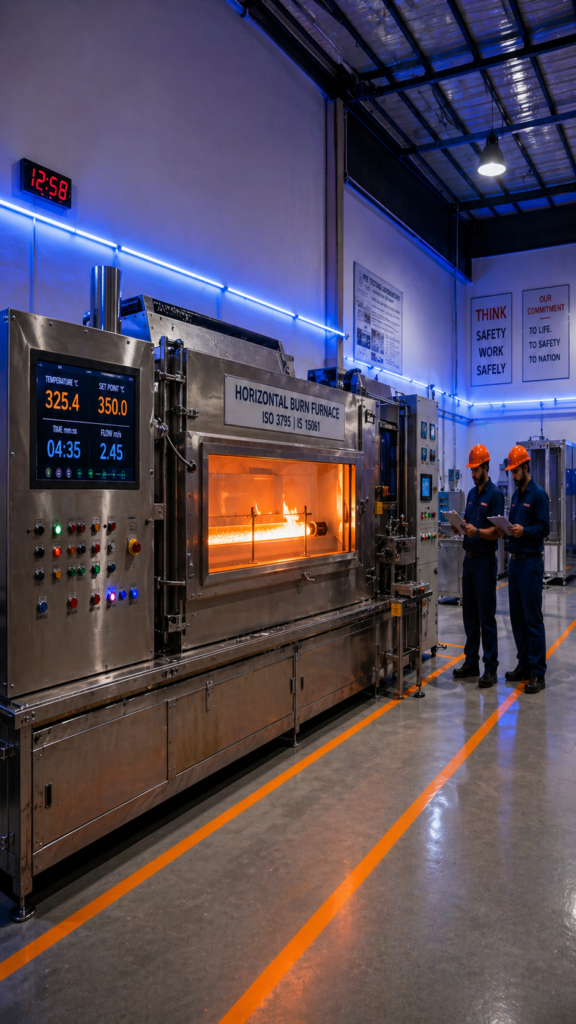
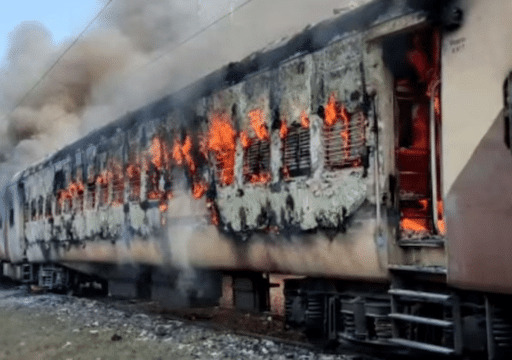
This document provides an overview of railway fire safety standards, focusing on the European standard EN 45545 and global compliance requirements . EN 45545: The European Benchmark . Compliance: Mandatory for the Trans-European Rail Network under the TSI LOC&PAS regulation. Early-stage material qualification is recommended for cost-effective certification. Purpose: A harmonized standard for railway vehicle fire protection that replaced various national standards like DIN 5510 and BS 6853. Scope: Applies to all new railway rolling stock, including metros, trams, and high-speed trains. Hazard Levels (HL): The standard utilizes three hazard levels (HL1, HL2, HL3) based on fire risk severity and evacuation complexity. Higher levels require stricter performance for smoke density, toxicity, and flame spread. Fire Testing MethodsRail fire safety engineering relies on scientific testing to ensure passenger survivability. Key testing methods include:
Lateral Flame Spread Testing: Determines how quickly fire propagates across surfaces like wall panels and seat fabrics.
Cone Calorimeter (ISO 5660): Measures heat release, ignition, and smoke production. High heat release rates are critical concerns for preventing tunnel flashovers.
Smoke Density & Toxicity Testing (ISO 5659-2): Evaluates smoke obscuration and toxic gas emissions, which are leading causes of passenger incapacitation.