WHY FIRE TESTING IS CRITICAL FOR PRODUCT SAFETY
Editorial Summary

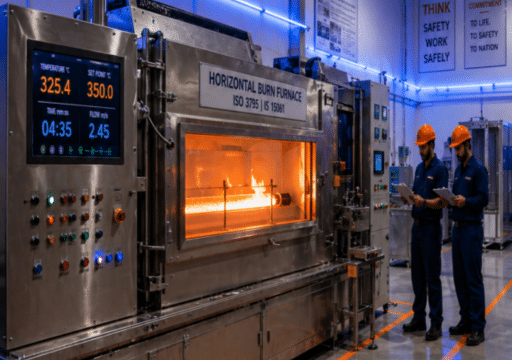
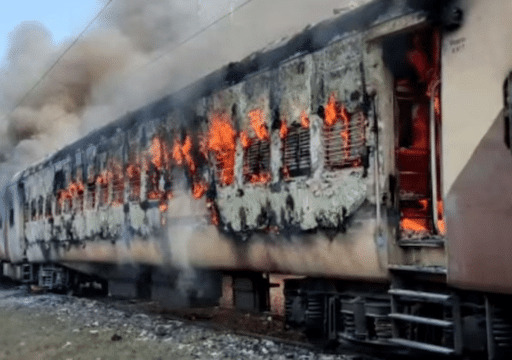
The technical bulletin from Prospec Test Hub Pvt. Ltd. emphasizes that fire testing is a critical, life-saving “last line of defense” rather than a mere bureaucratic requirement, detailing the scientific, regulatory, and practical frameworks necessary to ensure product safety across high-stakes industries. Fire testing quantifies material behavior during the four stages of development – ignition, growth, flashover, and decay – measuring critical metrics like the Heat Release Rate (HRR) via cone calorimeters and addressing the “hidden killer” of smoke toxicity, which accounts for 70-80% of fire fatalities. The document outlines a complex landscape of global and Indian standards, highlighting the EN 45545-2 standard as the benchmark for the demanding railway sector, the EN 13501-1 Euroclass system for construction, and various IEC/IS standards for electrical systems, which cause 40-45% of urban fires in India. Credibility in these results is maintained through NABL accreditation and RDSO approval, which ensure international recognition and compliance for Indian Railways suppliers. For manufacturers, the path to compliance involves a five-step roadmap: identifying applicable standards, meticulous sample preparation, testing under ISO/IEC 17025 controls, formal classification of results, and ongoing maintenance through periodic re-testing. Ultimately, the publication frames fire testing as a vital investment in trust that converts technical performance into certifiable, life-saving safety for the public.