From Prototype to Fire – Certified Product
Editorial Summary
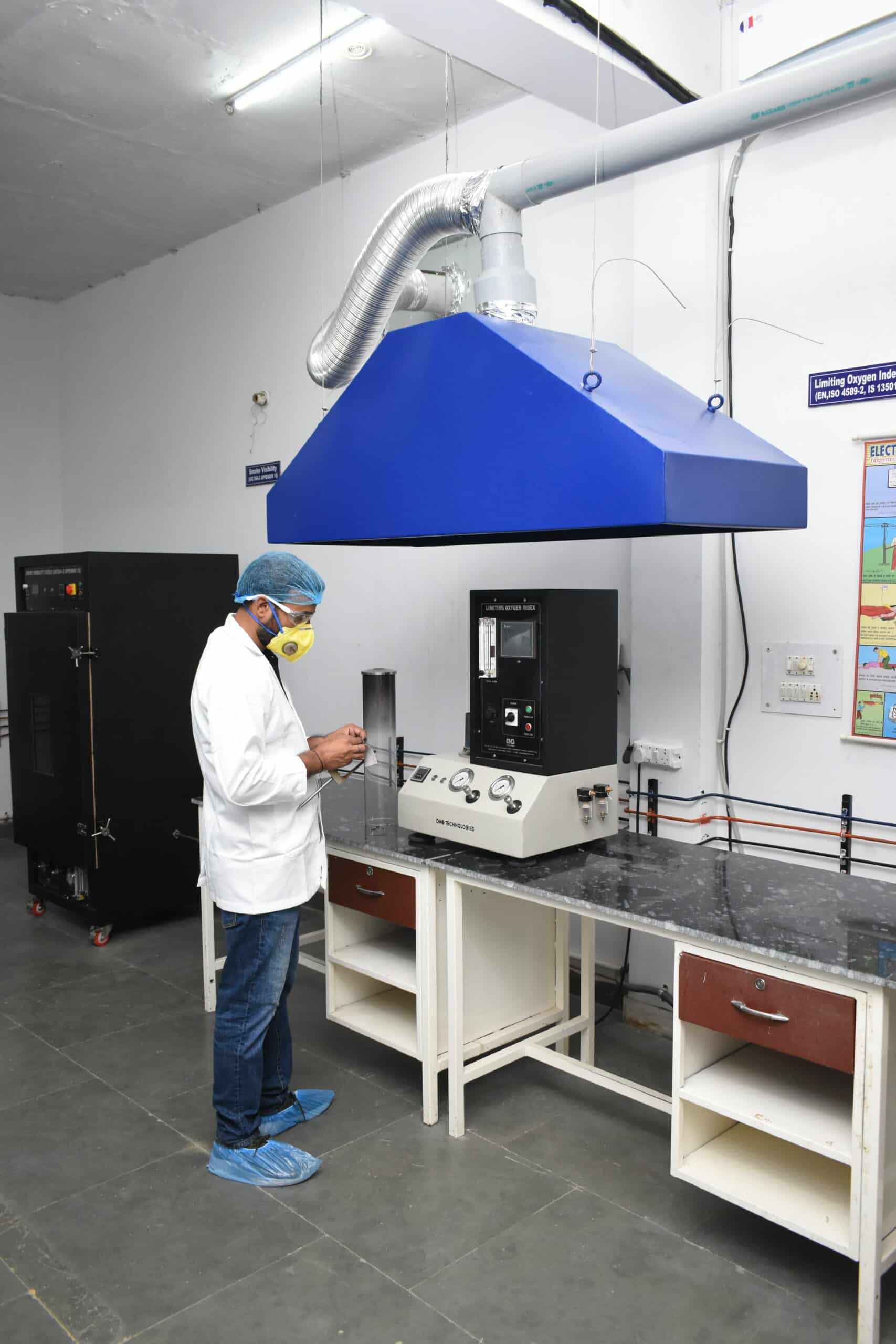
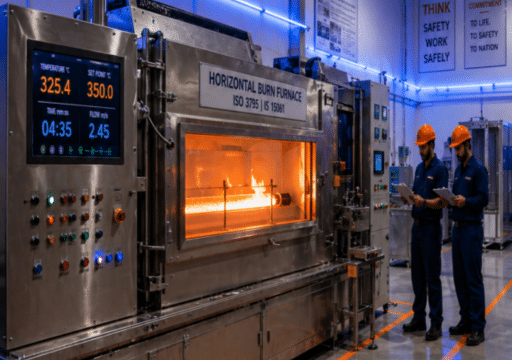
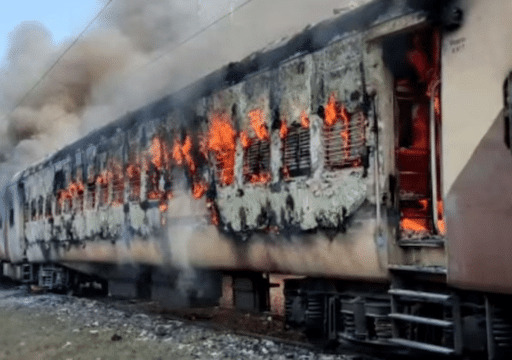
In today’s high-value industries like railways, metro infrastructure, defense , and construction, fire certification is not optional – it is the gateway to market entry. Products without proper fire compliance simply do not qualify for tenders or approvals . This editorial outlines the complete journey from prototype to a fire-certified product, highlighting the critical role of standards like EN 45545-2, which define fire safety requirements for materials used in railway and infrastructure applications . The certification process goes far beyond testing. It begins with correct standard selection, material evaluation, and requirement mapping, followed by proper sample preparation, conditioning, and rigorous testing across parameters such as heat release, smoke density, toxicity, and flame spread . A key insight is that success in fire testing is determined before testing begins – during product design and material selection. Manufacturers who involve testing experts early, document their materials thoroughly, and conduct preliminary evaluations significantly reduce delays and retesting cycles . The document also highlights the importance of RDSO approval and globally recognized certifications, which are essential for both domestic procurement and international market access. With the availability of advanced testing infrastructure in India, manufacturers can now achieve certification faster and more cost-effectively . Ultimately, companies that treat fire certification as a strategic part of product development – not a final step – gain a strong competitive advantage, including faster approvals, better market positioning, and increased trust among clients and regulators.